
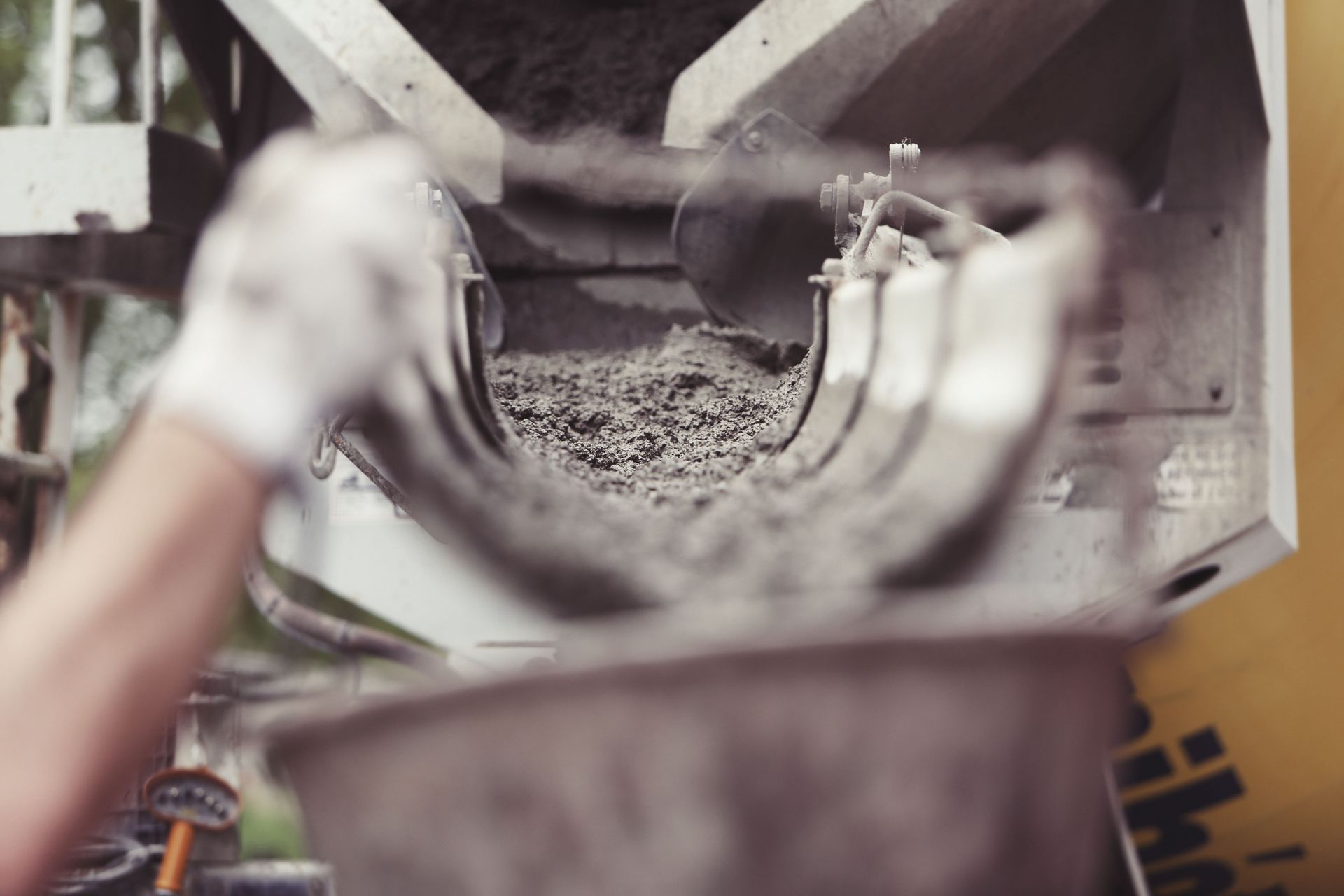
Ordering concrete for your next project can feel intimidating, especially if you've never done it before. One of the biggest mistakes homeowners and contractors make is ordering too much—or worse, not enough. Both can cost you time, money, and unnecessary frustration. Fortunately, calculating how much concrete you need is much easier than most people think. Whether you're pouring a driveway, sidewalk, shed pad, patio, or footing, a few simple measurements can help you order the perfect amount. If you're looking for reliable concrete supply Hamilton , this guide will help you calculate your needs with confidence before placing your order. Why Accurate Concrete Measurements Matter Concrete isn't something you want to guess. Ordering too little means stopping the job halfway through, while ordering too much leaves you paying for material you don't need. Professional concrete suppliers Hamilton recommend taking accurate measurements before ordering. A little preparation ensures your project runs smoothly from start to finish. Better planning also reduces waste, saves money, and helps your project stay on schedule. Step 1: Measure the Length and Width Start by measuring the surface you're pouring. For example: Patio: 12 feet × 15 feet Driveway: 20 feet × 30 feet Sidewalk: 4 feet × 40 feet If your project has multiple sections, measure each one separately and add the totals together. Step 2: Measure the Thickness Next, determine how thick your concrete should be. Common thicknesses include: Sidewalks: 4 inches Patios: 4 inches Garage floors: 5–6 inches Driveways: 5–6 inches Footings: Vary depending on engineering requirements Remember to convert inches into feet before calculating. Examples: 4 inches = 0.33 feet 5 inches = 0.42 feet 6 inches = 0.50 feet Step 3: Calculate Cubic Feet Multiply: Length × Width × Thickness Example: 12 ft × 15 ft × 0.33 ft = 59.4 cubic feet Step 4: Convert Cubic Feet into Cubic Yards Concrete is sold by the cubic yard. There are 27 cubic feet in one cubic yard . Using the previous example: 59.4 ÷ 27 = 2.2 cubic yards Most contractors recommend ordering slightly extra to account for uneven grading or minor variations during placement. Use an Online Concrete Calculator If math isn't your favourite subject, don't worry. EZ Cart Concrete Supply provides a convenient online concrete calculator that helps determine exactly how much material your project requires. Simply enter your measurements and you'll receive an accurate estimate in minutes. The company also offers free job planning assistance if you're unsure about your calculations. Common Projects and Approximate Concrete Requirements Here are some general examples: Small Patio 10' × 10' × 4" Approximately 1.25 cubic yards Garden Shed Pad 12' × 12' × 4" Approximately 1.8 cubic yards Double Driveway 20' × 20' × 5" Approximately 6.2 cubic yards Every project is different, so always measure carefully before placing your order. Don't Forget Your Equipment Having the right concrete tools can make the difference between a stressful pour and a smooth one. Some commonly used tools include: Bull floats Magnesium and steel trowels Edgers Screeds Concrete brooms Shovels Rakes Wheelbarrows EZ Cart Concrete Supply offers many of these concrete tools for rent or purchase, making it convenient to complete your project without investing in equipment you'll only use once. Save Money with Hamilton Trailer Rentals One feature that sets EZ Cart apart is its convenient Hamilton trailer rentals . Instead of paying for expensive ready-mix truck delivery, many homeowners and contractors simply pick up fresh concrete using one of EZ Cart's custom trailers. These trailers are compatible with many half-ton pickup trucks, allowing customers to transport concrete efficiently while reducing delivery costs. For many residential jobs, Hamilton trailer rentals are an economical and practical solution. Concrete vs Asphalt: Which Is Better? Many homeowners ask about concrete vs asphalt when planning a driveway or parking area. While both materials have advantages, concrete generally offers: Longer lifespan Greater durability Lower long-term maintenance Cleaner appearance Better resistance to fuel and oil spills Asphalt typically costs less initially but often requires more frequent sealing and repairs over its lifetime. When comparing concrete vs asphalt , your budget, maintenance expectations, and long-term goals should all be considered. Local Concrete Solutions You Can Count On Whether you're tackling a DIY backyard project or managing a commercial job, choosing experienced concrete suppliers Hamilton makes the entire process easier. EZ Cart Concrete Supply proudly serves Hamilton, Stoney Creek, Burlington, and Grimsby with fresh concrete, trailer rentals, concrete accessories, and expert planning assistance. Customers can bring their own truck or rent one of EZ Cart's custom trailers for convenient pickup, while also benefiting from free estimates and job-planning support. Get Started Today Calculating concrete doesn't have to be complicated. With accurate measurements, the right tools, and guidance from trusted professionals, you can order exactly what your project requires. If you're searching for dependable concrete supply Hamilton , experienced concrete suppliers Hamilton , affordable Hamilton trailer rentals , quality concrete tools , or advice about concrete vs asphalt , EZ Cart Concrete Supply has everything you need to complete your project successfully. Contact the team today for a free estimate, use the online concrete calculator, and let their experts help you plan your next concrete project with confidence.
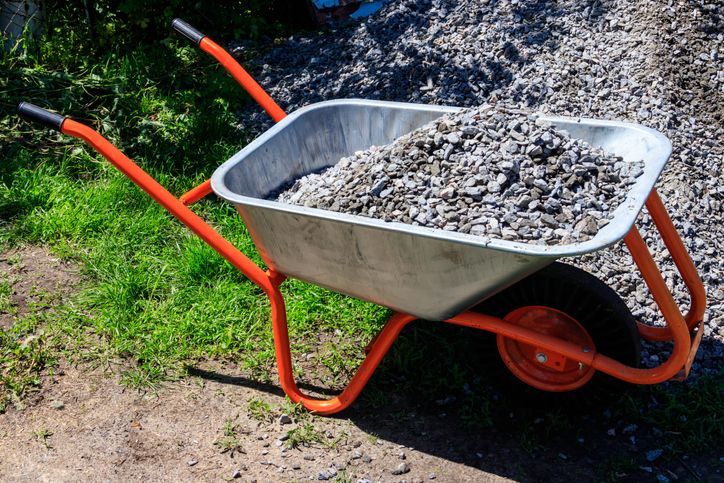
If you’ve ever started a concrete project and found yourself wondering, “Do I rent equipment or buy it?” — you’re not alone. Whether you're pouring a backyard patio, building footings, installing fence posts, or managing a commercial job site, the cost of equipment can add up fast. For many homeowners and contractors, renting concrete equipment is the faster, more affordable, and more practical option. That’s where EZ Cart Concrete Supply stands out—offering concrete supplies, trailer rentals, tools, and project support across Hamilton and surrounding areas. Why Renting Equipment Often Makes More Sense Buying equipment sounds great—until you consider storage, maintenance, transportation, and the fact that you may only use it a few times a year. Equipment rentals allow you to: Avoid large upfront purchases Access professional-grade tools Reduce storage and maintenance concerns Get exactly what you need for each project Complete projects faster For homeowners tackling DIY concrete work or contractors managing multiple jobs, renting helps keep projects efficient and budgets under control. What Equipment Can You Rent for Concrete Projects? Concrete work involves more than just ordering material. At EZ Cart Concrete Supply , customers can access trailer rentals and concrete tools designed to simplify projects and reduce manual labour. Popular rental options include: Trailer Rentals One of the biggest challenges in concrete projects is transportation. Instead of paying for large delivery minimums or mixing bags by hand, trailer rentals allow customers to pick up custom concrete quantities and transport them directly to the job site. EZ Cart offers trailer rentals designed to work with appropriately rated vehicles and supports contractors, homeowners, and DIY users. This option works especially well for: Driveways Sidewalks Fence posts Patios Shed pads Small foundations Concrete Finishing Tools Finishing matters. Renting professional finishing tools can dramatically improve final results. Available rental equipment includes: Steel and magnesium trowels Edgers Screeds Concrete brooms Bull floats Wheelbarrows Shovels Rakes Adjustable trailer hitches These tools help create smoother surfaces, cleaner edges, and a more professional finish. Renting Equipment Saves More Than Money People often compare only purchase price versus rental price. But there are hidden costs to ownership: Maintenance Concrete tools require cleaning, upkeep, and replacement over time. Storage Large trailers and construction equipment take up valuable garage or yard space. Transportation Getting equipment to and from the site can become its own project. Limited Use If you only pour concrete once or twice per year, ownership rarely delivers strong value. Renting allows you to focus on completing the project instead of managing equipment. How to Know What Equipment You Actually Need One of the biggest mistakes people make is renting too much—or not enough. A good starting point is identifying: Project dimensions Concrete volume required Surface finish expectations Site accessibility Vehicle towing capacity EZ Cart helps simplify planning by offering free estimates and job planning support. Customers can provide measurements and receive guidance on materials and equipment selection before starting. Local Equipment Rentals for Hamilton Projects Working with a local supplier makes a huge difference. Instead of coordinating across multiple companies, local access means faster pickups, lower transportation costs, and easier scheduling. EZ Cart serves: Hamilton Stoney Creek Burlington Grimsby Their pickup location and showroom provide convenient access to concrete supplies, tools, and rentals for projects of nearly every size. Should You Rent Equipment? Here’s the Simple Rule If your project is occasional, short-term, or you want professional results without the long-term investment—rent. If you're running daily construction operations with constant equipment usage—ownership may make sense. For most homeowners and many contractors, renting delivers flexibility, speed, and cost savings. Get Your Project Moving Without Buying Everything Concrete projects don’t need to become expensive equipment purchases. With trailer rentals, professional concrete tools, custom concrete mixes, and planning assistance, EZ Cart Concrete Supply helps customers complete projects efficiently throughout Hamilton and surrounding communities. Call ahead, get a quote, reserve your rental equipment, and make your next project easier from the start.
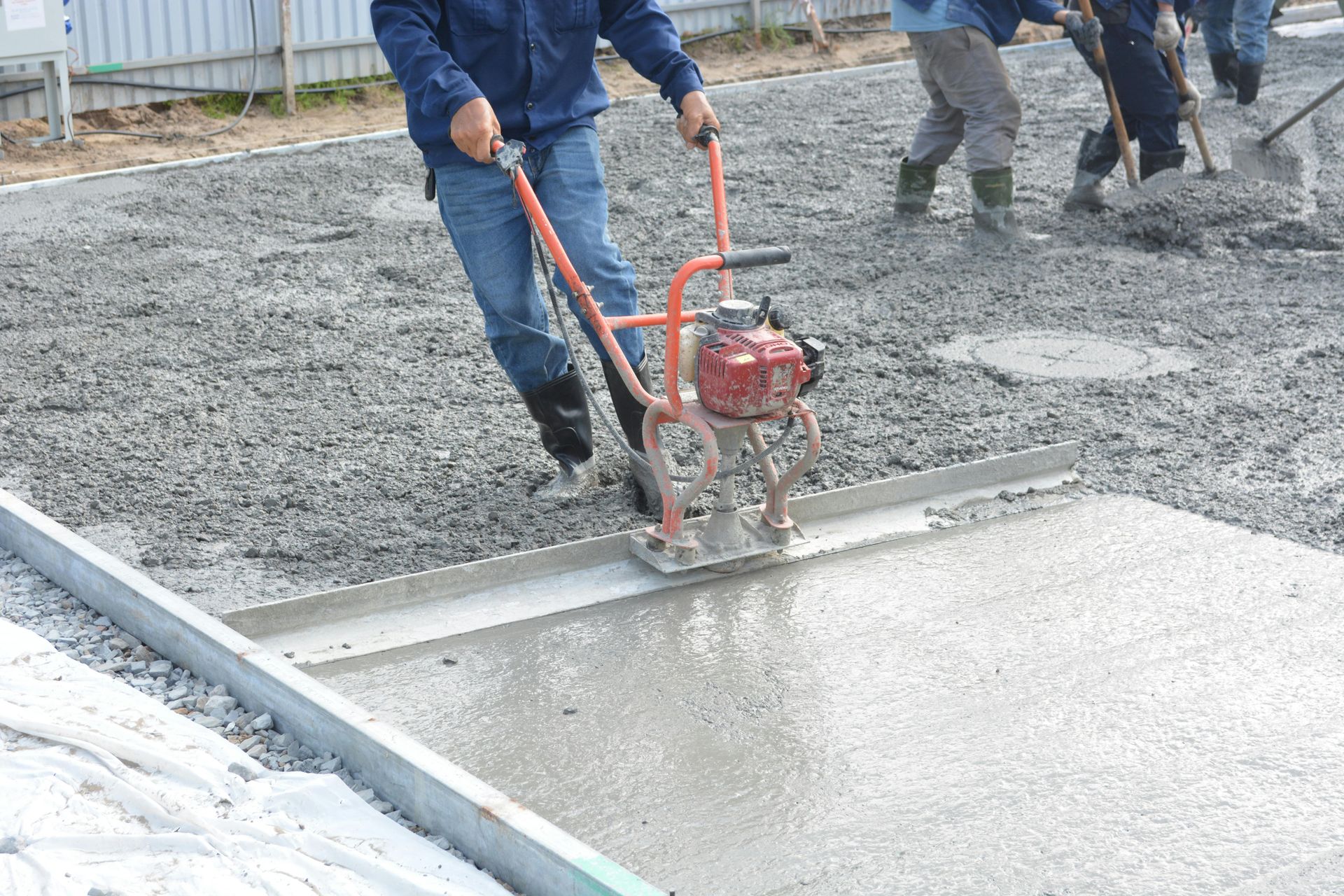
When it comes to choosing between concrete vs asphalt , most homeowners and contractors in Hamilton think it’s just about price. But the reality? Your decision can impact durability, maintenance costs, curb appeal, and long-term value for decades. Whether you're sourcing materials from a concrete supply Hamilton company or comparing project options with concrete suppliers Hamilton , understanding the real differences can save you thousands—and headaches down the road. Understanding the Basics: Concrete vs Asphalt At a glance, both materials are used for driveways, walkways, and commercial surfaces. But they behave very differently—especially in a city like Hamilton, where weather conditions play a major role. Concrete is a rigid, long-lasting material made from cement, aggregates, and water. Asphalt is a flexible, petroleum-based material commonly used for roads and driveways. Each has its place, but one often outperforms the other depending on your goals. Durability: Which Surface Lasts Longer? If longevity matters, concrete has a clear edge. Concrete surfaces can last 30–40 years or more with proper installation and maintenance, while asphalt typically lasts 12–20 years . That’s a major difference—especially when you consider the cost of replacing an asphalt driveway sooner than expected. In Hamilton’s freeze-thaw climate, durability is critical. Concrete, when properly installed and sealed, resists weather damage far better than asphalt, which can soften in heat and crack in winter. Cost: Short-Term Savings vs Long-Term Value Let’s be honest—this is where asphalt shines. Asphalt: Lower upfront cost, making it appealing for budget-conscious projects Concrete: Higher initial investment but longer lifespan Asphalt is often cheaper to install, sometimes costing nearly half as much as concrete upfront. However, here’s the catch: concrete often becomes more cost-effective over time due to its durability and lower maintenance needs. If you’re planning to stay in your home long-term, concrete is usually the smarter financial move. Maintenance: What Will You Deal With Over Time? Maintenance is where many property owners get caught off guard. Asphalt Maintenance Requires sealing every 1–2 years Prone to cracks, potholes, and wear Easier and cheaper to repair Concrete Maintenance Needs sealing every 2–3 years Fewer repairs overall Repairs can be more complex if needed While asphalt repairs are easier, they happen more often. Concrete, on the other hand, requires less frequent attention—making it ideal for busy homeowners or commercial properties. Performance in Hamilton’s Climate Hamilton weather isn’t forgiving. Between freezing winters, hot summers, and road salt exposure, your surface needs to handle it all. Asphalt is flexible but breaks down faster with heat and salt Concrete is stronger and more resistant when properly sealed For high-traffic areas or heavy loads, concrete is often the preferred choice because it resists deformation and holds up better over time. ( Via Pave Ltd ) Aesthetics & Curb Appeal If appearance matters, concrete wins—hands down. Concrete can be: Stamped Colored Textured (broom finish, exposed aggregate) Asphalt? It’s black. That’s it. For homeowners looking to boost property value or businesses wanting a polished look, concrete offers far more customization and visual appeal. Project Convenience: Tools, Equipment & Rentals Whether you're a contractor or a DIY enthusiast, having access to the right equipment is essential. Working with a trusted concrete supply Hamilton provider means you’ll also have access to: Professional-grade concrete tools Reliable Hamilton trailer rentals for transport Expert advice from experienced concrete suppliers Hamilton This local support can make your project smoother, faster, and more cost-efficient. So… Which One Should You Choose? Here’s a quick breakdown: Choose asphalt if: You need a lower upfront cost You want a quick installation You’re okay with ongoing maintenance Choose concrete if: You want long-term durability You value curb appeal You prefer lower maintenance over time For most Hamilton homeowners and businesses, concrete delivers better long-term value—even if the upfront investment is higher. Why Local Expertise Matters Working with a reputable local supplier ensures your project is built for Hamilton’s specific conditions. From selecting the right mix to accessing high-quality concrete tools , local expertise makes all the difference. Companies like Excart Concrete Supply provide not just materials, but also the knowledge and equipment needed to get the job done right. Ready to Start Your Project? Whether you're planning a new driveway, walkway, or commercial surface, choosing between concrete vs asphalt is one of the most important decisions you’ll make. If you’re leaning toward durability, value, and long-term performance, concrete is hard to beat. Get started today by connecting with a trusted concrete supply Hamilton provider. Explore top-quality materials, dependable Hamilton trailer rentals , and the best concrete suppliers Hamilton has to offer—and build something that lasts.

Spring is the perfect time to start those home improvement projects you've been thinking about all winter. Whether you're upgrading your driveway, installing a new patio, building a walkway, or creating a backyard foundation, concrete is one of the most durable and versatile materials you can use around your home. Why Choose Concrete for Residential Projects? Concrete remains a top choice for homeowners because it is: ● Durable – Built to withstand heavy loads and harsh weather conditions. ● Low Maintenance – Once installed properly, it requires minimal upkeep. ● Versatile – Ideal for driveways, patios, walkways, shed pads, hot tub bases, fence posts, and more. ● Cost-Effective – Long lifespan means great value over time. Popular Residential Concrete Projects Many homeowners tackle concrete projects in the spring when temperatures begin to warm up and the ground becomes workable. Some of the most common projects include: ● Driveways ● Backyard patios ● Garden pathways ● Garage or shed foundations ● Hot tub pads ● Fence post footings Proper planning is essential. Consider the size of the area, the amount of concrete required, and how you’ll transport and pour the material efficiently. Making Your Project Easier One of the biggest challenges with small residential concrete jobs is getting the right amount of concrete to your site without the cost and complexity of a full concrete truck delivery. That's where EZ Cart can help. EZ Cart provides a convenient way for homeowners and contractors to transport fresh concrete exactly where it’s needed. Whether you're working in a backyard, tight driveway, or space with limited access, the cart allows you to move concrete quickly and efficiently. Get Ready for Spring Projects As the weather warms up, it’s the ideal time to start planning your concrete upgrades. By preparing early, gathering the right materials, and using the right tools, you can ensure your project runs smoothly from start to finish. When you're ready to put your plan into action this spring, EZ Cart can help make moving and placing concrete easier, faster, and more efficient. Start planning now—and get ready to bring your residential concrete project to life this season.
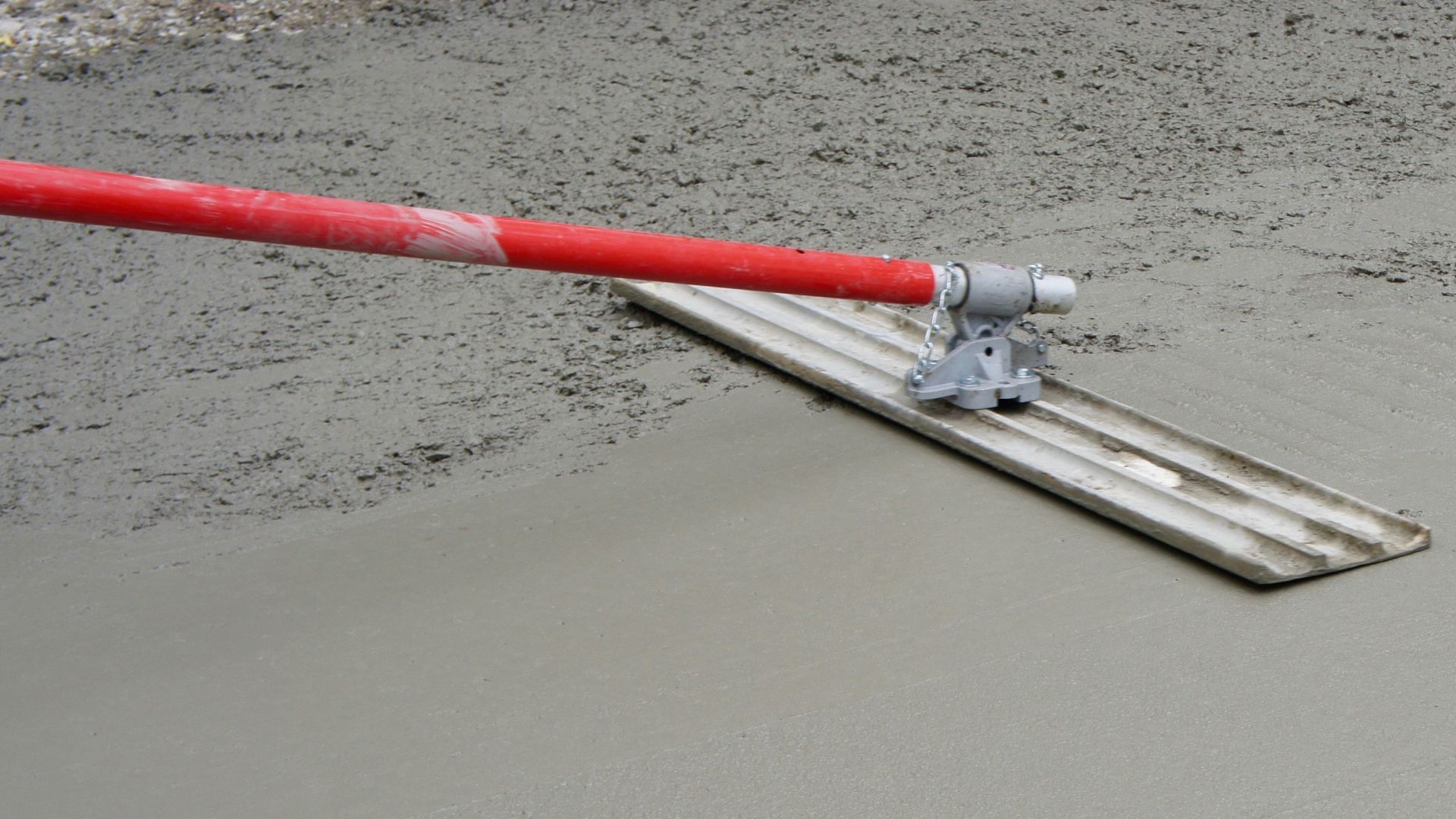
A plain, gray concrete patio serves its purpose, but it may not always inspire. You might wonder if a splash of color could transform your outdoor space from functional to fantastic. So, can you paint a concrete patio? The short answer is yes, but the long answer involves careful preparation and the right materials to ensure a lasting finish. At EZ Cart Concrete, we help homeowners get the most out of their concrete surfaces, and we're here to guide you through the process. Why Paint Your Concrete Patio? Painting your patio offers more than just a new color. It's an opportunity to refresh your entire outdoor living area. The Benefits of a Painted Patio Enhanced Aesthetics: The most obvious benefit is the visual upgrade. You can choose a color that complements your home's exterior, garden, or outdoor furniture, creating a cohesive and inviting atmosphere. Increased Durability: The right kind of paint acts as a protective barrier. It can seal the porous surface of the concrete, making it resistant to moisture, stains, and the effects of weathering. Easier Maintenance: A sealed, painted surface is often smoother and less prone to trapping dirt and debris than bare concrete. This makes sweeping and cleaning much simpler. Cost-Effective Update: Compared to tearing out and replacing an old slab or covering it with expensive pavers or tile, painting is a budget-friendly way to achieve a dramatic transformation. The Challenges of Painting Concrete While the benefits are appealing, painting a concrete patio isn't as simple as painting an interior wall. Outdoor concrete surfaces face harsh conditions, from direct sunlight and heavy rain to foot traffic and fluctuating temperatures. Moisture Issues: Concrete is porous and can wick moisture up from the ground. If this moisture gets trapped beneath a layer of paint, it can cause bubbling, peeling, and chipping. Surface Preparation is Key: Paint will not adhere properly to a dirty, greasy, or improperly prepared surface. Skipping the prep work is the number one reason for paint failure. Choosing the Right Paint: Standard interior or exterior house paint won't cut it. You need a product specifically formulated for concrete floors and patios that can withstand abrasion and UV exposure. A Step-by-Step Guide to Painting Your Patio If you're ready to take on this project, following these steps is crucial for a durable and beautiful result. The team at EZ Cart Concrete recommends a thorough approach for any concrete enhancement project. Step 1: Clean the Surface Thoroughly Your first task is to create a pristine canvas. Start by removing all furniture, planters, and other items from the patio. Sweep Away Debris: Use a stiff-bristled broom to sweep away all loose dirt, leaves, and cobwebs. Pressure Wash: A pressure washer is the most effective tool for deep cleaning. It can remove ground-in dirt, mildew, and any old, flaky paint. Use a degreaser for any oil or grease spots. Let It Dry Completely: Allow the concrete to dry for at least 24-48 hours. Painting over a damp surface is a recipe for failure, as trapped moisture will push the paint off. Step 2: Repair and Etch the Concrete Once the patio is clean and dry, inspect it for cracks or damage. Fill Cracks: Use a concrete crack filler or patch compound to repair any cracks or spalled areas. Follow the product's instructions and allow it to cure completely. Etch the Surface: For new or very smooth concrete, you'll need to etch the surface to give the paint something to grip. A concrete etching solution (often a mild acid) opens up the pores of the concrete. Follow all safety precautions, including wearing gloves and eye protection, and rinse the surface thoroughly afterward. Let it dry again. Step 3: Prime the Surface Priming is a non-negotiable step. It ensures proper adhesion and helps create a uniform finish. Choose a Masonry Primer: Select a high-quality acrylic or epoxy-based primer designed for concrete. Apply an Even Coat: Use a roller with an extension pole for the main area and a brush for the edges. Apply a thin, even coat and let it dry completely according to the manufacturer's directions. Some surfaces may require two coats of primer. Step 4: Apply the Paint Now for the fun part. You've done the prep, and it's time to add color. Select the Right Paint: Choose a paint specifically labeled for concrete patios, porches, or floors. These are typically acrylic latex or epoxy-based paints that are formulated to be durable, UV-resistant, and flexible. Apply in Thin Coats: It's better to apply two thin coats than one thick coat. A thick coat takes longer to cure and is more likely to peel. Use a roller for the large areas and a brush for detail work. Allow Proper Drying Time: Wait for the first coat to be completely dry before applying the second. Check the paint can for recommended recoat times. Step 5: Seal for Protection To maximize the lifespan of your painted patio, apply a clear sealer. Choose a Sealer: Select a concrete sealer that is compatible with your paint and offers UV protection and abrasion resistance. Apply Evenly: Roll on one or two thin coats of the sealer, allowing for adequate drying time between coats. The sealer will provide an extra layer of defense against weather, stains, and foot traffic. Let Your Patio Cure After the final coat of sealer is applied, patience is vital. Keep foot traffic off the patio for at least 72 hours, and wait a week or more before placing heavy furniture back on it. This gives the paint and sealer enough time to fully cure and harden. When to Call the Professionals A DIY paint job can be a rewarding project. However, it requires time, effort, and attention to detail. If your patio has significant moisture issues, large cracks, or an old coating that's difficult to remove, the project can become complex. The experts at EZ Cart Concrete can provide professional guidance and services. We can assess the condition of your concrete, recommend the best solutions, and ensure all preparation and application are done correctly for a flawless, long-lasting finish. We handle everything from deep cleaning and repairs to applying professional-grade coatings that offer superior durability. Ready to transform your outdoor space? Contact EZ Cart Concrete today for a consultation. Let us help you create the beautiful and durable patio you've always wanted.
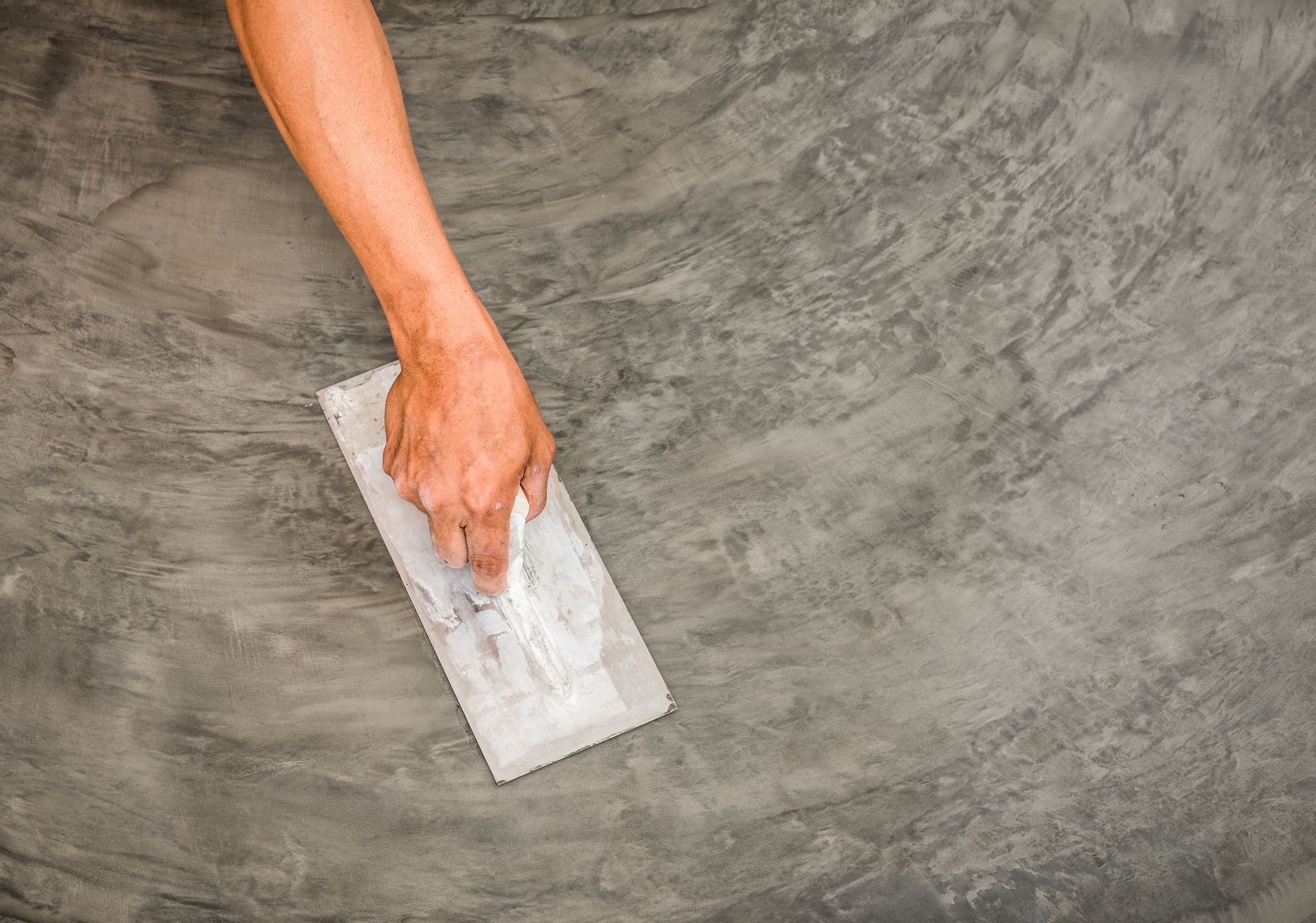
You’ve just poured a new concrete patio, walkway, or driveway. It looks pristine and durable, a solid foundation for years to come. But is the job truly finished? A common question homeowners and DIY enthusiasts face is whether sealing that concrete is a necessary step. The short answer is yes, in most cases, sealing your concrete is a crucial step for long-term protection and appearance. This guide will walk you through why sealing is so important, the benefits it offers, the potential downsides to consider, and how to get the job done right. We'll explore how a simple coat of sealer can protect your investment from weather, stains, and daily wear and tear. Why Sealing Concrete is a Smart Move Concrete feels incredibly tough, and it is. However, it's also a porous material, much like a sponge. Its surface is filled with tiny capillaries that can absorb water and other liquids. When water gets into these pores and freezes, it expands, creating immense pressure that can cause cracks, spalling (flaking), and scaling. This freeze-thaw cycle is one of the biggest threats to concrete's longevity, especially in colder climates. Sealing the concrete creates a protective barrier over these pores. It prevents water, chemicals, and other harmful substances from penetrating the surface, effectively shielding your concrete from the inside out. Think of it as a clear, durable raincoat for your driveway or patio. The Major Benefits of Sealing Your Concrete Applying a quality sealer is more than just a preventative measure; it offers several tangible advantages that enhance both the function and look of your concrete surfaces. 1. Protection Against Weather and Moisture The primary benefit of sealing is moisture resistance. By blocking water from seeping into the concrete, a sealer prevents the damaging effects of the freeze-thaw cycle. It also protects against the everyday moisture from rain, sprinklers, and spills that can lead to mold, mildew, and discoloration over time. This protection is vital for any exterior concrete exposed to the elements. 2. Stain Resistance Your driveway is a prime spot for oil leaks from cars. Your patio is bound to see spills from barbecue sauce, wine, or dropped food. Unsealed concrete will quickly absorb these substances, leaving behind permanent, unsightly stains. A good sealer creates a non-porous surface, causing spills to bead up on top. This gives you precious time to wipe them away before they can soak in and cause lasting damage. 3. Increased Durability and Longevity Sealed concrete is stronger concrete. The sealer helps to harden the surface, making it more resistant to abrasion, scuffs, and the general wear and tear from foot traffic and vehicles. By preventing water penetration and surface damage, sealing significantly extends the functional lifespan of your concrete, saving you from costly repairs or replacement down the road. 4. Enhanced Appearance Sealers can do wonders for the look of your concrete. They are available in various finishes, from matte to high-gloss. A sealer can deepen and enrich the color of decorative or colored concrete, making it look more vibrant. Even on standard gray concrete, a "wet look" sealer can give it a fresh, clean, and polished appearance that boosts your home's curb appeal. Some sealers also offer UV protection to prevent the sun from fading the color over time. Are There Any Downsides to Sealing Concrete? While the benefits are clear, there are a few factors to consider before you start the project. Understanding the potential downsides will help you make a fully informed decision. Cost The most obvious downside is the initial cost. You will need to purchase the sealer itself, along with application tools like rollers, sprayers, and cleaning supplies. While this is an upfront expense, it's important to view it as an investment. The cost of sealing your concrete is minimal compared to the cost of repairing or replacing a cracked and damaged slab in the future. Maintenance and Reapplication Sealing is not a one-and-done task. The protective barrier will wear down over time due to traffic, weather, and sun exposure. Most concrete sealers need to be reapplied every two to five years, depending on the type of sealer used and the amount of wear the surface endures. This means sealing becomes a recurring maintenance task you'll need to add to your home care calendar. Proper Application is Key For a sealer to be effective, the concrete surface must be properly prepared. It needs to be completely clean, dry, and free of any previous coatings or contaminants. Applying a sealer to a damp or dirty surface can trap moisture and dirt underneath, leading to a cloudy appearance or causing the sealer to fail and peel. The temperature and weather conditions during application also matter, so you need to plan your project accordingly. Get Ready to Seal: Finding Your Supplies Sealing concrete is a manageable DIY project that can protect your investment for years. The key is using the right products and tools. From high-quality sealers to professional-grade rollers and sprayers, having the correct equipment makes the job easier and more effective. For homeowners and DIYers tackling this project, finding all the necessary concrete supplies is simple. At EZ Cart Concrete, you can find or rent all the tools and equipment you need. From pressure washers for cleaning to specialized applicators for a smooth finish, we can help you get everything required to seal your concrete like a pro. The Final Verdict So, is it necessary to seal your concrete? For almost any exterior concrete surface, the answer is a resounding yes. The protection it offers against moisture, stains, and wear far outweighs the moderate cost and maintenance involved. By sealing your concrete, you are not just preserving its appearance; you are extending its life, enhancing its durability, and protecting the value of your property. It’s a simple step that delivers powerful, long-lasting results.
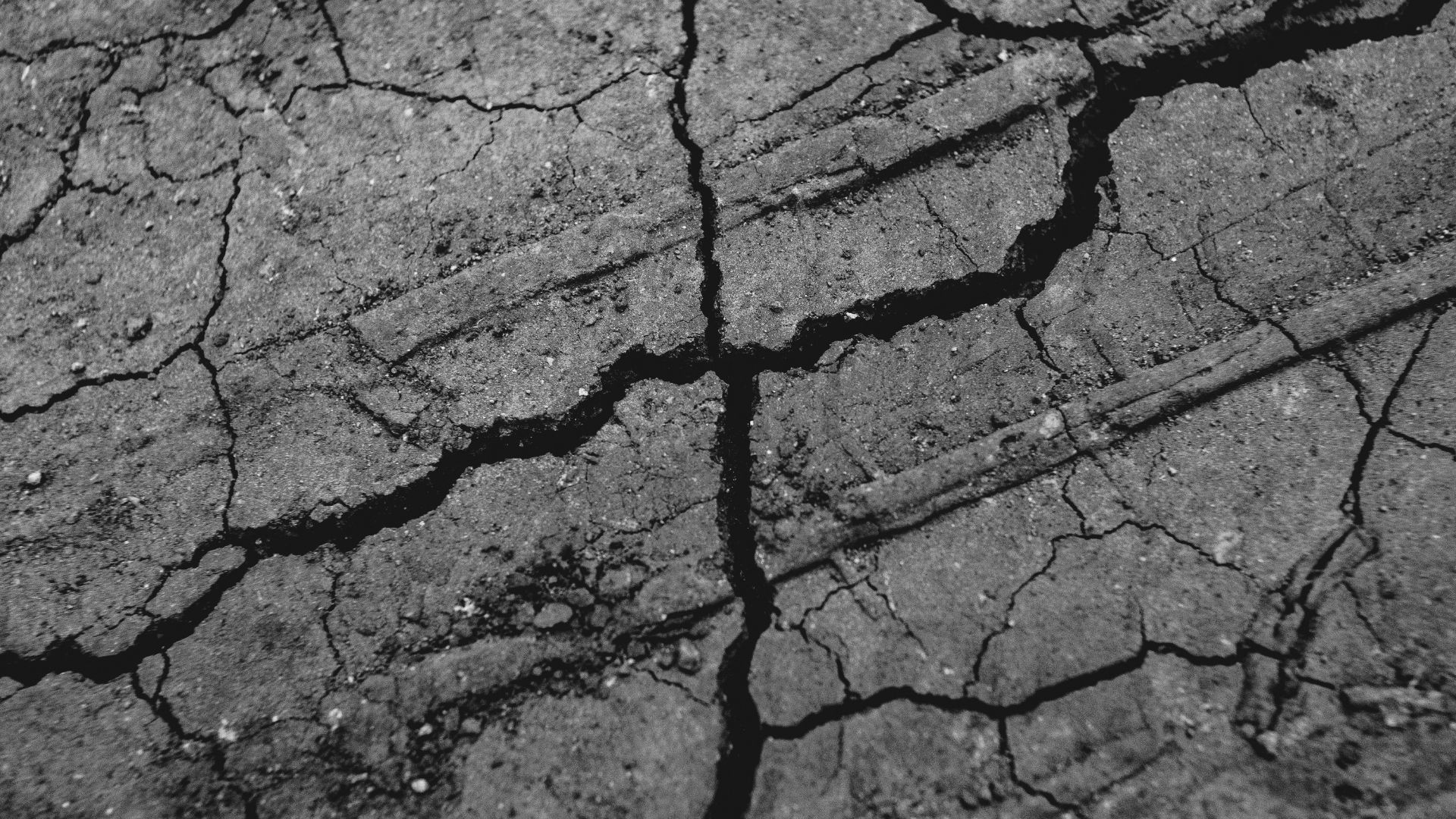
As autumn leaves begin to fall, your attention might turn to winter preparations. While you're cleaning gutters and checking your furnace, don't overlook your driveway, patio, or walkways. Those small cracks in your outdoor concrete might seem like a minor cosmetic issue now, but they can turn into major problems when winter arrives. Addressing them before the first freeze is one of the smartest moves a homeowner can make. This guide will explain why repairing concrete cracks before winter is crucial. We'll cover the damage that can occur if they are ignored and provide a simple, step-by-step process for fixing them yourself. With the right approach, you can protect your concrete surfaces and keep them looking great for years to come. Why Winter is Concrete's Worst Enemy Water and cold temperatures create a powerful duo that can destroy concrete from the inside out. This process, known as the freeze-thaw cycle, is the primary reason you should seal any existing cracks before winter. The Freeze-Thaw Cycle Explained Here's how it works: 1. Water Intrusion: Rain, melting snow, and moisture seep into the small cracks and fissures in your concrete. 2. Freezing and Expansion: When the temperature drops below 32°F (0°C), the trapped water freezes. As water turns to ice, it expands by about 9%. This expansion exerts immense pressure on the surrounding concrete. 3. Thawing and Widening: When temperatures rise, the ice melts. The crack, now slightly wider from the pressure, is ready to collect even more water during the next rainfall or thaw. 4. Repeat: This cycle repeats multiple times throughout the winter. Each time, the crack gets progressively wider and deeper, weakening the entire concrete slab. The Consequences of Neglect Ignoring small cracks can lead to significant and costly damage. The freeze-thaw cycle can cause: ● Spalling: The surface of the concrete begins to flake or peel away. ● Pitting and Chipping: Small holes and chunks break off, creating a rough and uneven surface. ● Large Cracks and Breaks: Minor cracks can spiderweb and expand, eventually causing large sections of the concrete to break apart. ● Foundation Issues: If the cracked concrete is near your home's foundation, water can seep into the soil underneath, leading to erosion and potential foundation damage. Repairing a few small cracks in the fall is a simple, inexpensive weekend project. Re-pouring an entire driveway or patio, however, can cost thousands of dollars. Your Guide to Repairing Concrete Cracks Fixing concrete cracks is a manageable DIY project. With the right materials and a little patience, you can protect your concrete and prevent future damage. Step 1: Gather Your Materials and Tools The quality of your repair depends heavily on the quality of the products you use. You'll need a flexible sealant that can withstand temperature changes and movement. For all your project needs, EZ Cart Concrete has a complete selection of professional-grade materials and tools to ensure a durable, long- lasting repair. Here’s what you’ll need: ● Stiff wire brush ● Broom or leaf blower ● Shop vacuum (optional, but helpful) ● Hammer and chisel (for wider cracks) ● Concrete crack filler or sealant ● Caulking gun ● Putty knife or trowel ● Safety glasses and gloves Step 2: Clean and Prepare the Crack A clean surface is essential for proper adhesion. Start by using a wire brush to scrub out any dirt, debris, or loose concrete from inside the crack. For hairline cracks, you may need to use a chisel to slightly widen the opening to ensure the filler can penetrate properly. Once you’ve loosened the debris, use a broom or a leaf blower to clear the area. For the best results, use a shop vacuum to remove any remaining fine dust and particles from deep within the crack. The surface must be completely clean and dry for the sealant to bond effectively. Step 3: Apply the Concrete Sealant Load the tube of concrete crack filler into your caulking gun. Apply a steady bead of sealant deep into the crack, slightly overfilling it to account for any settling. Work in small sections to maintain control and ensure the crack is filled evenly. The goal is to create a watertight seal that prevents any moisture from getting in. Be thorough and make sure there are no gaps in your application. Step 4: Smooth and Finish the Surface Before the sealant begins to set, use a putty knife or small trowel to smooth the surface. Press down firmly and drag the tool along the length of the repair to remove any excess material and create a level finish. This step helps the repair blend in with the surrounding concrete and ensures a professional look. Check the product instructions for specific drying and curing times. Most sealants are rain-ready within a few hours but may take a full day or more to cure completely. It's best to perform this work on a clear, dry day when no rain is forecast. Protect Your Investment with EZ Cart Concrete Taking a few hours on a fall weekend to repair your outdoor concrete is a small investment that pays huge dividends. You’ll not only prevent expensive damage but also extend the life and improve the appearance of your driveways, patios, and walkways. Don't let small cracks become major winter headaches. Get the job done right with high-quality materials and tools. Ready to get started? Visit EZ Cart Concrete today. We have everything you need, from expert-grade sealants to the right tools for the job. Our team is ready to help you protect your concrete and prepare your home for winter.
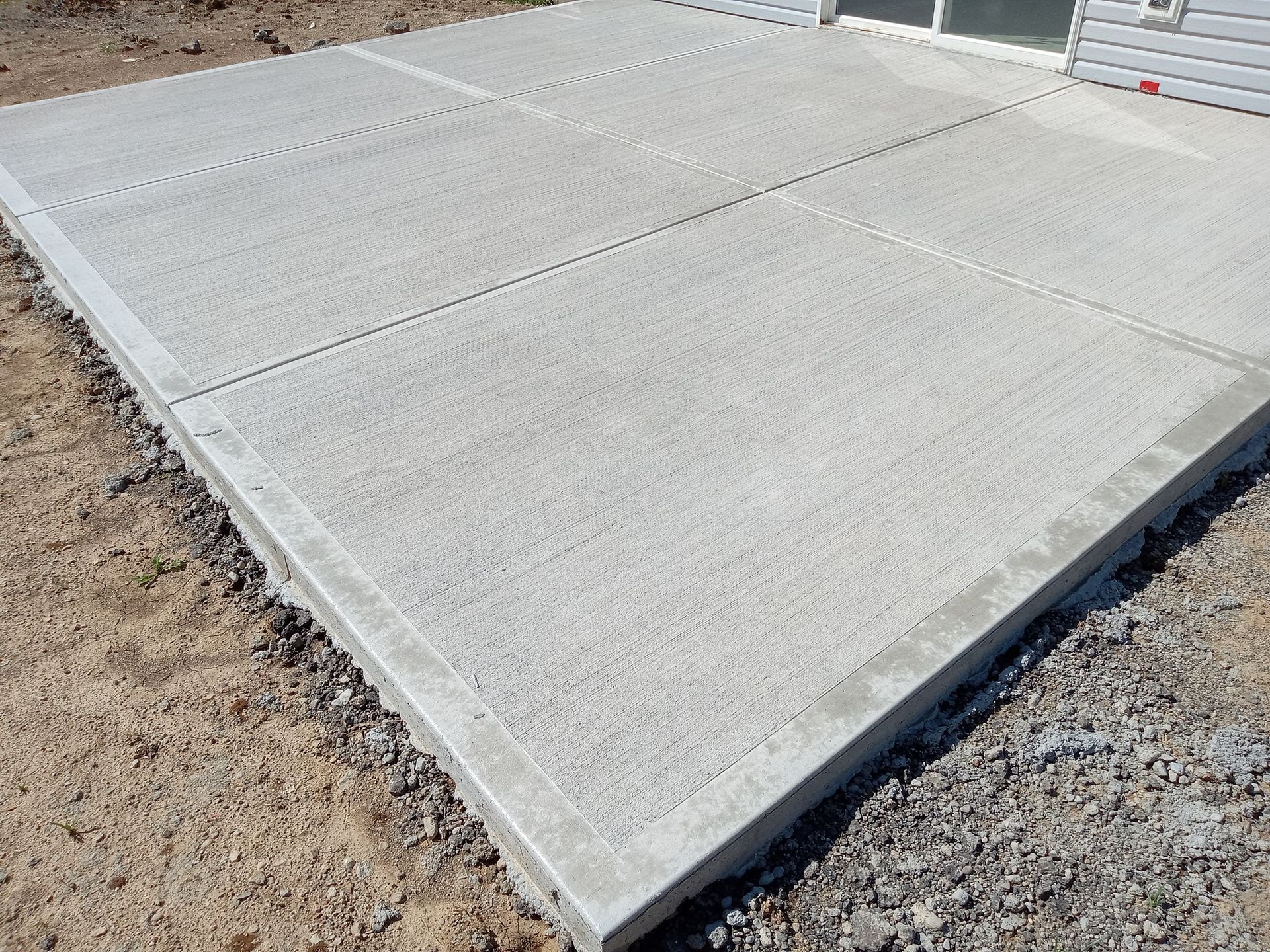
Your backyard should be an extension of your home—a place for relaxation, entertainment, and making memories. When planning your perfect outdoor space, the foundation you choose is crucial. While options like wood decks and stone pavers have their place, a concrete patio offers a unique combination of benefits that make it an outstanding choice for modern homeowners. From unmatched durability to endless design possibilities, concrete provides a solid, stylish, and sensible solution. We'll explore the top reasons why a concrete patio might be the perfect upgrade for your home, how to approach the project, and where to find the best materials to ensure a beautiful, long-lasting result. Unbeatable Durability for Lasting Enjoyment One of the most significant advantages of a concrete patio is its strength. Unlike wood, which is susceptible to rot, insect damage, and splintering, concrete stands strong against the elements. It can withstand heavy foot traffic, hefty patio furniture, and the harshest weather conditions, from scorching summer sun to freezing winter temperatures. A properly installed and sealed concrete patio can last for decades, often outliving other patio materials with far less upkeep. This long-term resilience means you spend less time and money on repairs and more time enjoying your outdoor oasis. It’s a one-time investment that pays off with years of worry-free use. Versatility in Design: Your Vision, Your Patio Forget the image of a plain, gray slab. Modern concrete patios are a canvas for creativity. The design versatility of concrete is one of its most exciting features, allowing you to create a look that perfectly complements your home's architecture and your personal style. Stamped Concrete Want the high-end look of natural stone, brick, or even wood without the high-end price tag? Stamped concrete is the answer. During installation, special patterns and textures are pressed into the wet concrete. This process can replicate the appearance of expensive materials like slate, flagstone, or cobblestone with remarkable realism. Colors and Stains Concrete can be colored to match any aesthetic. Integral color can be mixed in before pouring for a uniform hue, or you can apply stains and dyes to the surface after it cures. This allows for a range of effects, from rich, earthy tones to vibrant, modern colors. You can create subtle variations or bold, artistic designs that make your patio truly one-of-a-kind. Finishes for Every Style The final texture of your patio can also be customized. A classic broom finish provides a simple, non-slip surface perfect for most applications. For a more modern and smooth look, a trowel finish might be ideal. You can also opt for an exposed aggregate finish, which reveals the natural beauty of the small stones within the concrete mix for a textured, sophisticated appearance. Low Maintenance, More Relaxation Homeowners today value low-maintenance living. A concrete patio fits this lifestyle perfectly. Unlike wood decks that require regular staining, sealing, and board replacement, a concrete patio needs very little attention to keep it looking great. A simple cleaning with a hose and a stiff brush is usually enough to remove dirt and debris. For tougher stains, a pressure washer or a mild cleaner can do the job. Applying a quality sealant every few years is the most important step. This protects the surface from moisture, stains, and wear, preserving its color and integrity for years to come. Cost-Effective Quality Building a beautiful outdoor space is an investment, and concrete offers excellent value for your money. Generally, the initial installation cost of a concrete patio is lower than that of patios made from natural stone or composite decking. When you factor in its long lifespan and minimal maintenance costs, concrete becomes one of the most budget-friendly options available. This cost-effectiveness means you can allocate more of your budget to other outdoor features, like a fire pit, outdoor kitchen, or comfortable seating, creating the ultimate backyard retreat without breaking the bank. Getting Your Project Right: Quality Matters While a concrete patio is a fantastic DIY-friendly project for those with the right skills, its longevity depends entirely on using high-quality materials and proper techniques. Cutting corners on supplies can lead to a patio that cracks, spalls, or fades prematurely, erasing all the benefits you were hoping to gain. Sourcing your materials from a trusted supplier is essential. You need the right concrete mix for your climate and project, proper reinforcement like rebar or wire mesh, and the correct tools for finishing. More importantly, you need access to expert advice. A knowledgeable supplier can guide you on everything from calculating the amount of concrete needed to choosing the best sealant for your specific design. For homeowners ready to start their project, EZ Cart Concrete is the go-to source for premium supplies, materials, and invaluable advice. Their team can help you select the perfect products to ensure your patio is not only beautiful but also built to last. Partnering with an expert like EZ Cart Concrete gives you the confidence that your project is starting on a solid foundation. Build a Better Backyard with Concrete A concrete patio is a smart, stylish, and sustainable choice for any homeowner looking to enhance their outdoor living space. Its powerful combination of durability, design flexibility, low maintenance, and cost- effectiveness makes it a superior option for creating a patio that you and your family will enjoy for decades. By planning your design and sourcing top-tier materials from a reliable supplier, you can build a functional and beautiful extension of your home. Take the first step toward your dream backyard by exploring the endless possibilities of concrete.
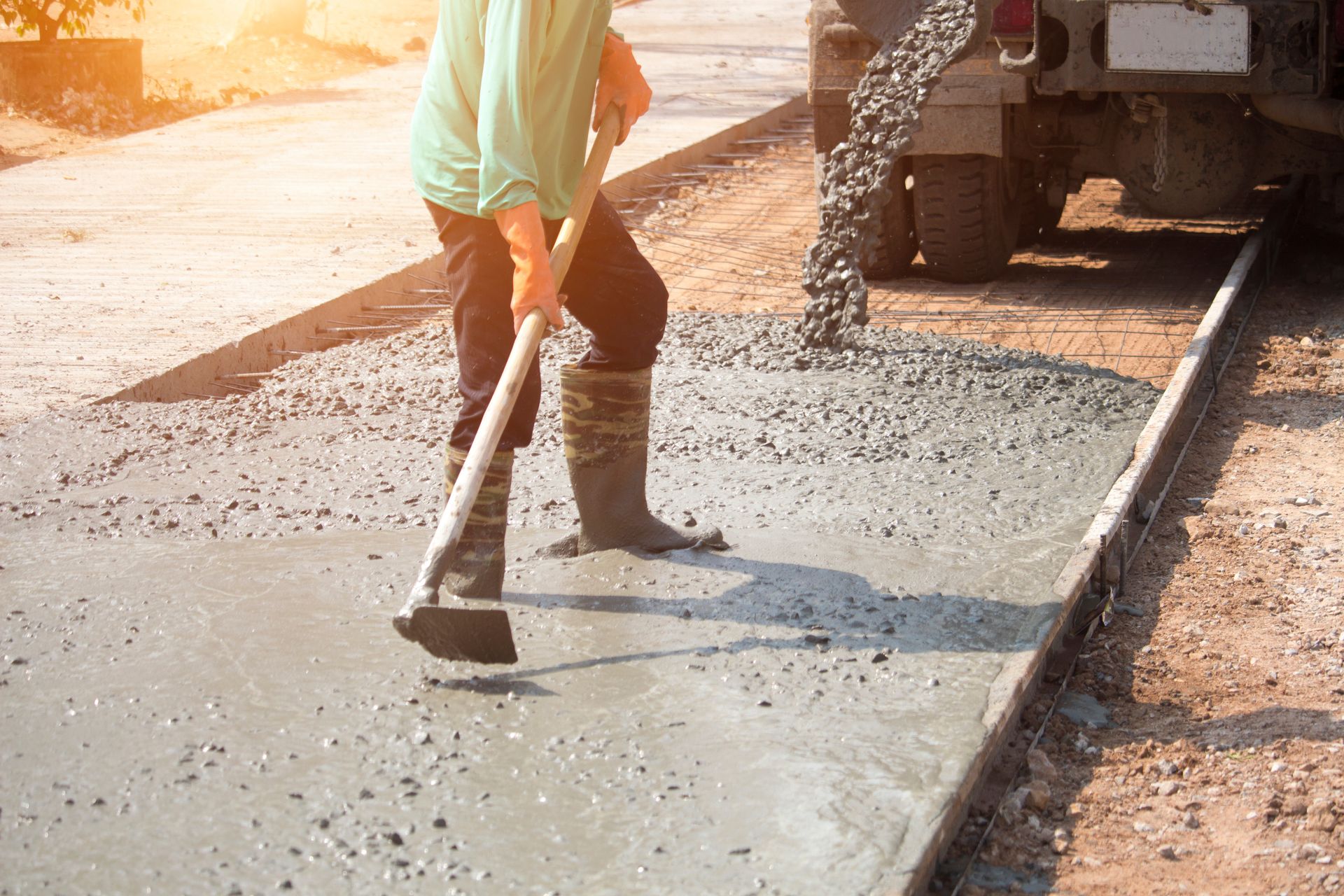
Concrete is a ubiquitous feature in many homes and construction projects. From driveways to patios, and even foundation walls, concrete proves to be a durable and reliable material. But what happens when your concrete surfaces show signs of wear and tear? Cracks, spalling, and discoloration can mar the appearance and function of your concrete. The good news is that you don't need to be a professional mason to repair damaged concrete. With the right tools and techniques, you can restore your concrete to its former glory. This guide will walk you through everything you need to know about repairing damaged concrete.
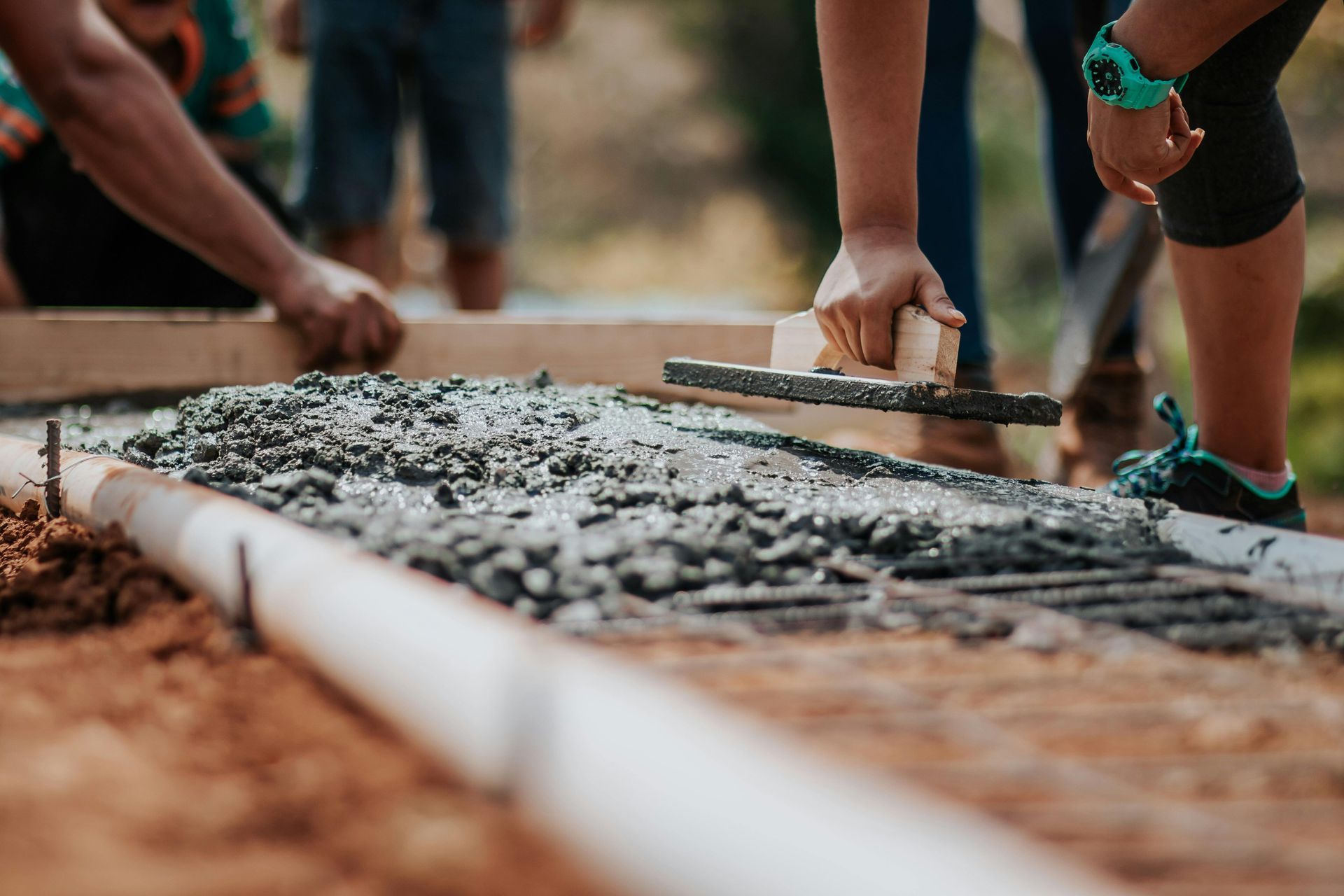
Concrete has been a foundational element in construction for centuries. Whether you're building a new patio, crafting garden ornaments, or tackling a larger home renovation project, understanding concrete can significantly enhance your DIY ventures. This guide is tailored for DIY enthusiasts who are keen on mastering the art and science of working with this versatile material.
